The Scottish Parliament building in Edinburgh, with its extremely distinctive architecture, represents Scotland’s journey from ancient sovereignty to modern self-determination.
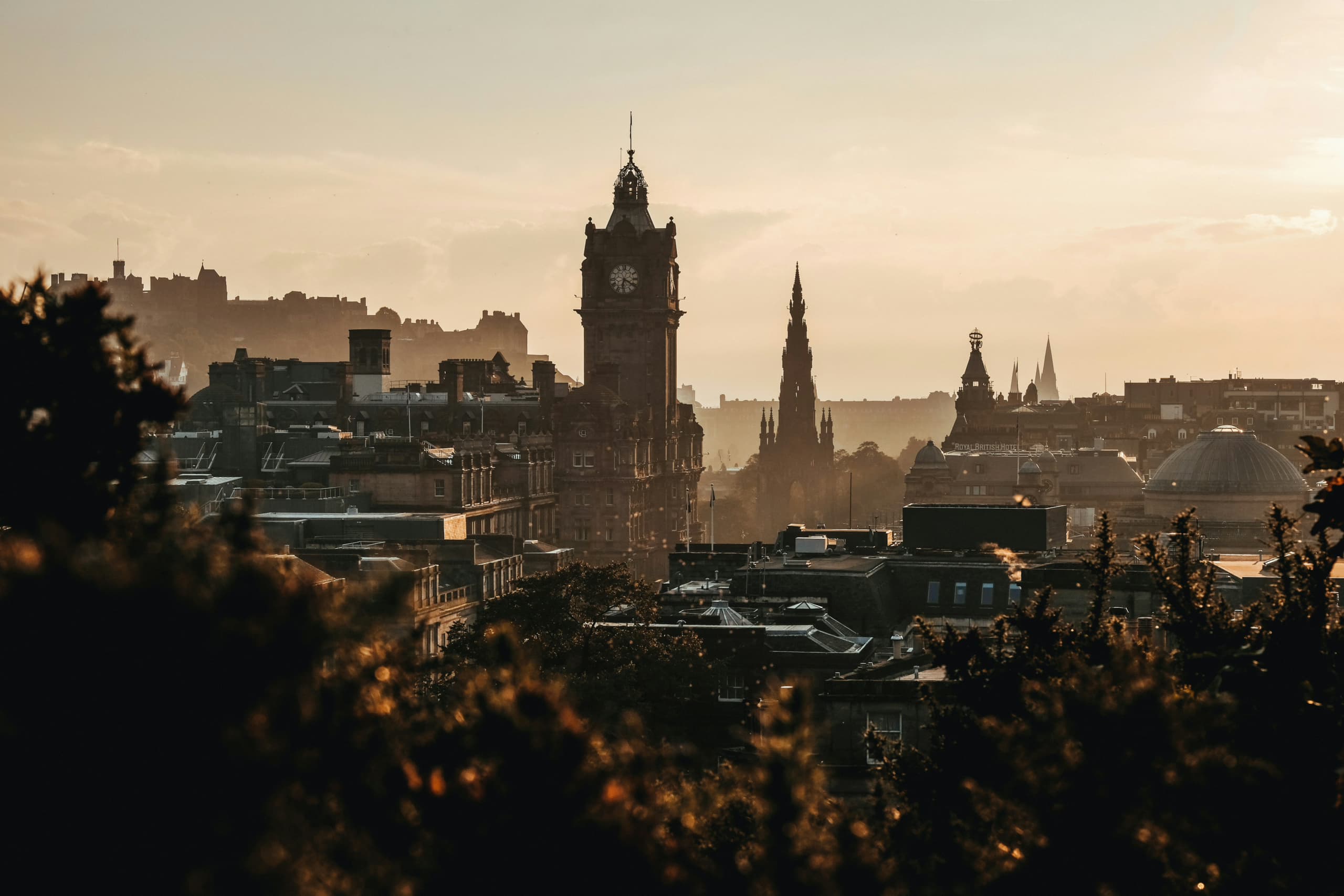
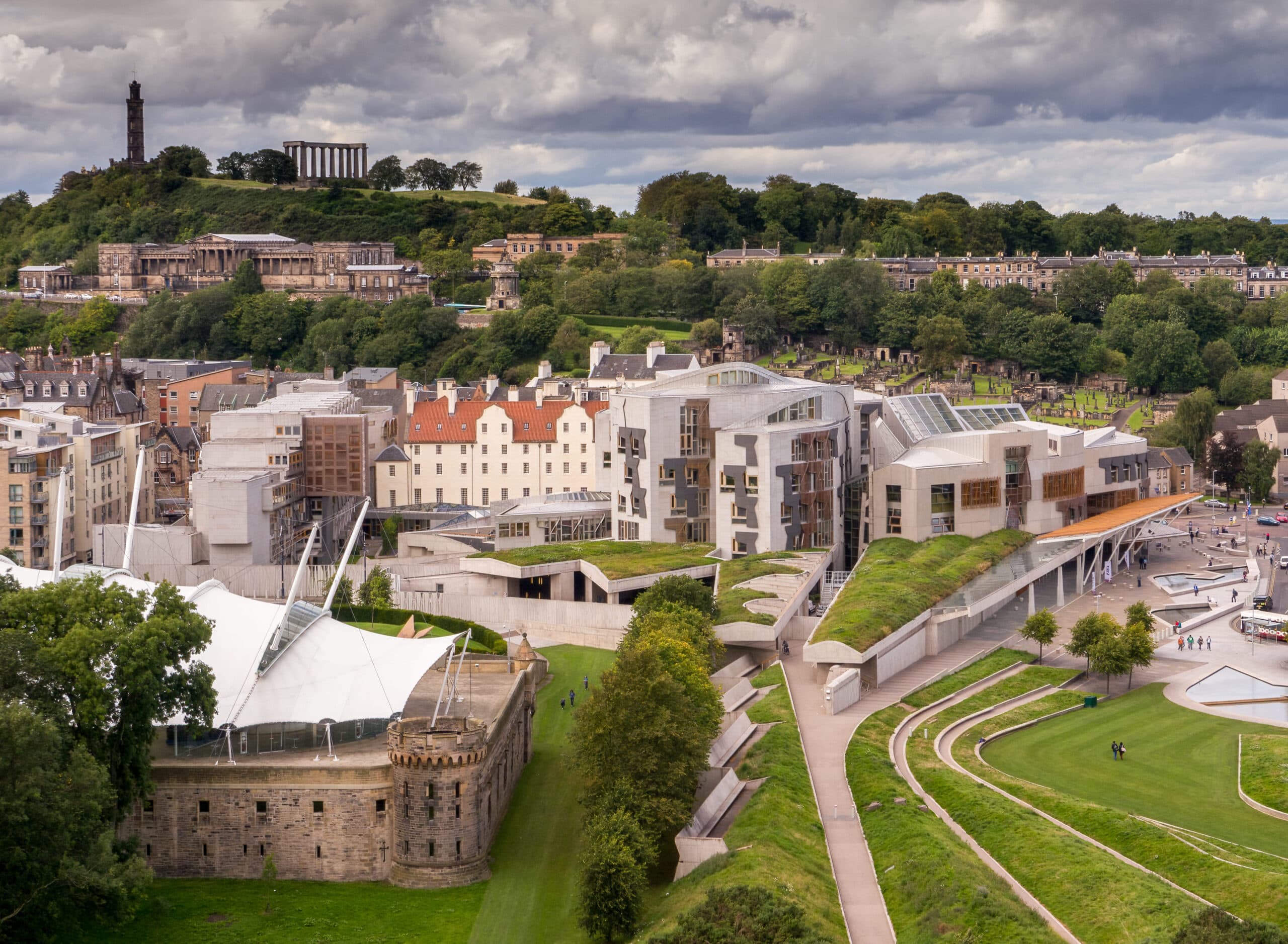
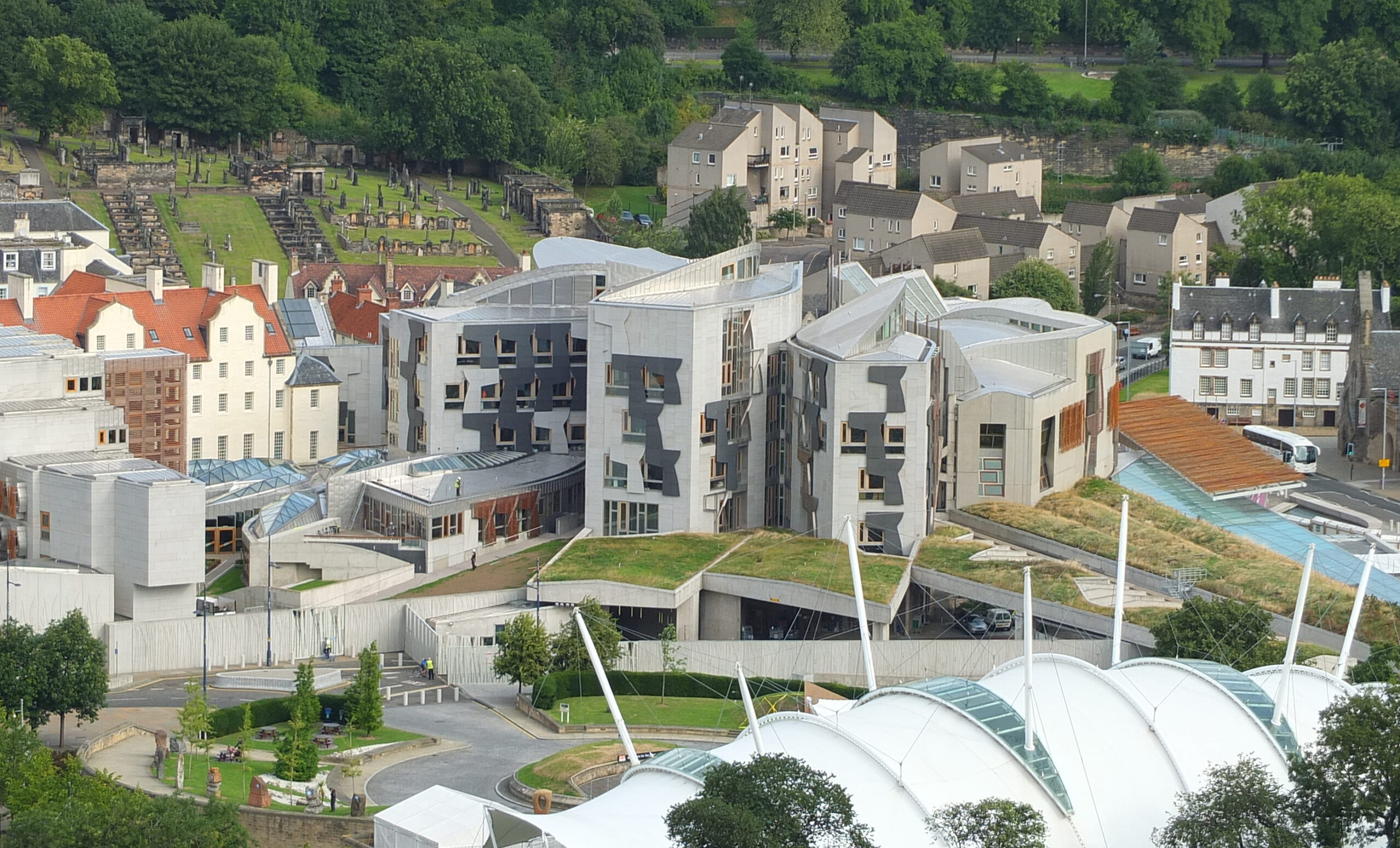
Picture this: the Scottish Parliament Building, standing bold and proud against the backdrop of Arthur’s Seat (an old volcano, by the way) and streets filled with spires and castle-like grandeur that practically scream history. It’s a wonderful mix of old and new – the building’s modern design is a total contrast to the historic city around it, but it shows how Scotland is moving forward while still respecting its past.
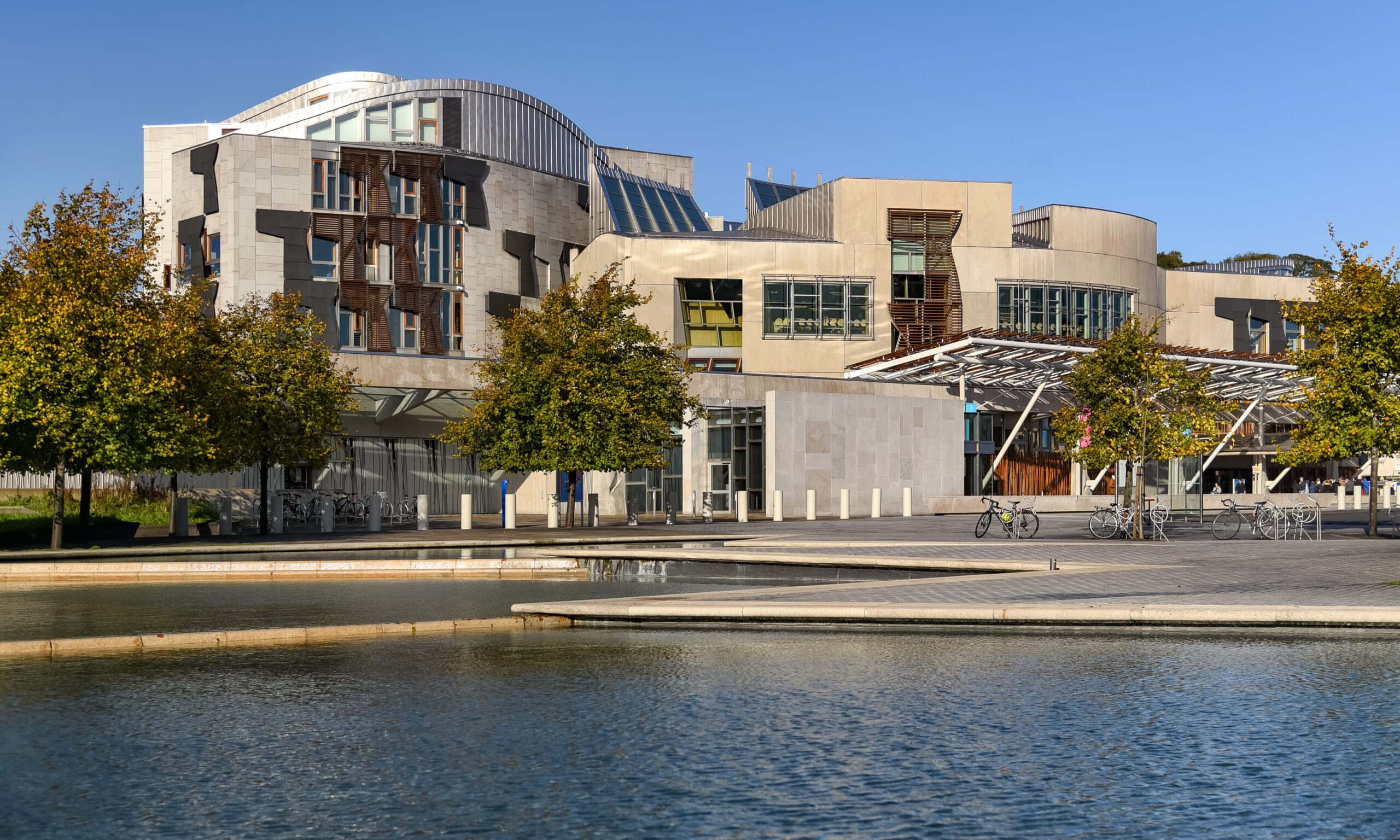
The building itself is all about open space, natural light, and using local materials, which makes it feel welcoming and connected to the land. It’s where the people of Scotland have their say, where laws are made, and where the country’s future is decided. And all of this happens in a place that’s oozing with history, stories of struggle, resilience, and a globally recognised culture that’s unique. Since its re-establishment in 1999, it has become a hub of legislative authority and participatory democracy, embodying a unique blend of tradition and innovation. The Parliament reflects Scotland’s enduring quest for identity in an ever-changing political world.
A Parliament Reborn: Devolution and Democratic Renewal
The reconvening of the Scottish Parliament in 1999 marked a watershed in British constitutional history. For the first time since the Acts of Union in 1707 dissolved Scotland’s original legislature, the nation regained control over domestic policy areas such as education, healthcare, and justice through the Scotland Act 1998 3631. This rebirth followed decades of campaigning, from the failed 1979 devolution referendum—stymied by the controversial 40% electorate threshold—to the resounding 74% “Yes” vote in 1997 53032.
The Parliament’s resurrection was not merely administrative but symbolic. As Winnie Ewing declared at its inaugural session, “the Scottish Parliament, adjourned on 25th March 1707, is hereby reconvened” 7. This ceremonial continuity with pre-Union governance underscored a cultural reawakening, satisfying what Labour leader John Smith termed the “settled will of the Scottish people” 3137. Yet the institution’s modern form diverged sharply from its medieval predecessor. Designed through cross-party collaboration via the Consultative Steering Group (CSG), its structure prioritised transparency, public engagement, and consensus over Westminster’s adversarial traditions 536.
The Building: A Manifesto in Stone
Architecturally, the Parliament defies convention. Enric Miralles’ design—a poetic amalgamation of Scottish landscapes and democratic ideals—rejects classical grandeur in favour of organic, symbolic forms. The building’s leaf-shaped skylights, upturned boat roofs, and gabion walls embedded with local stone evoke connections to land and sea, while its open-plan Garden Lobby invites public interaction 101216. As Miralles noted, the structure aimed to “arise from the sloping base of Arthur’s Seat and arrive into the city almost surging out of the rock” 1214.
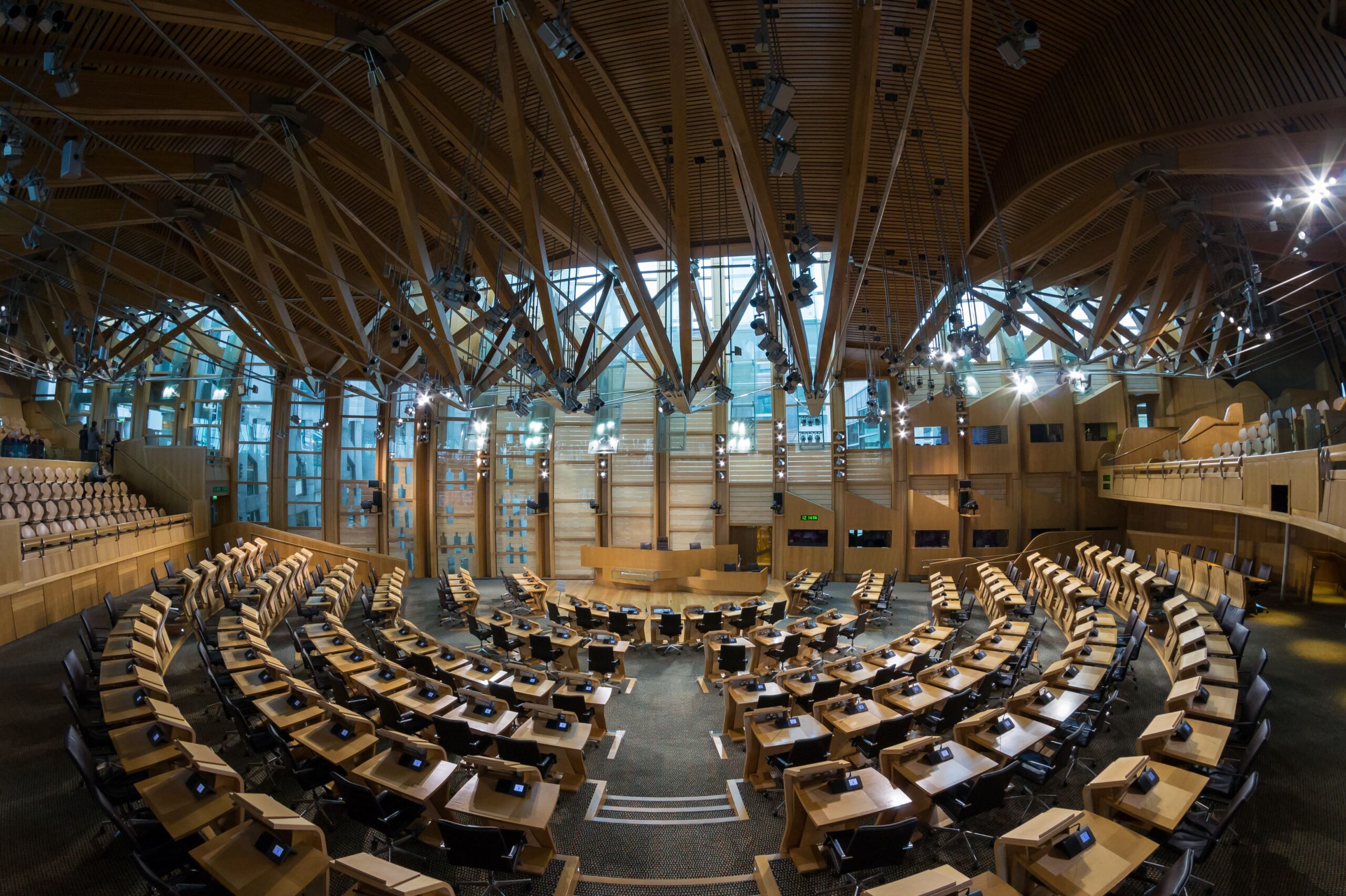
Despite its Stirling Prize win in 2005, the project faced criticism for a budget that ballooned from £40 million to £414 million—a controversy emblematic of tensions between ambition and fiscal pragmatism 183335. Yet defenders argue its cost reflects the complexity of housing a national legislature, with features like the Debating Chamber’s oak-clad vaults and glass fins blending artistry with functionality 101316.
Tradition and Modernity: The Evolution of Scottish Governance
The Parliament’s legislative journey mirrors Scotland’s political maturation. Initially constrained to devolved matters under the reserved powers model, its authority expanded significantly via the Scotland Act 2016, granting control over income tax bands, social security, and aspects of welfare 32131. This “graduated sovereignty” reflects a pragmatic balancing act: asserting autonomy while retaining fiscal ties to Westminster, with over 60% of Scotland’s budget still derived from UK block grants 22122.
Politically, the institution has become a crucible for Scotland’s constitutional debate. The SNP’s dominance since 2007—culminating in a pro-independence majority of 74 MSPs by 2025 121—has intensified scrutiny of its dual role as both a devolved legislature and a platform for secessionist ambitions. Critics argue devolution has paradoxically deepened dependency, with Scotland’s deficit rising to 9% of GDP compared to the UK’s 4% 219. Yet proponents highlight policy divergences, such as free university tuition and gender recognition reforms, as evidence of progressive self-rule 2137.
Civic Engagement: A New Democratic Ethos
Central to the Parliament’s ethos is the CSG’s vision of “new politics”—a participatory model emphasising accessibility and deliberation. Unlike Westminster’s confrontational benches, the hemicycle Debating Chamber encourages consensus, while petitions committees and public consultations institutionalise grassroots input 5636. Recent debates, such as 2024’s Scottish Languages Bill advocating Gaelic and Scots revitalisation, illustrate efforts to embed cultural heritage into governance – and that’s got to be a plus for a country so proud of its heritage 17.
However, challenges persist. Voter disillusionment lingers, with turnout dropping to 63% in 2021 21, while the SNP’s pivot toward independence has sparked accusations of conflating devolved governance with nationalist imperatives 122. As former MSP Paul Cairney observes, Holyrood’s trajectory reflects “a dramatic combination of continuity and change… balancing constitutional ambition with pragmatic statecraft” 3637.
Scottish Parliament in Perpetual Motion
Twenty-five years since its reconvening, the Scottish Parliament remains a work in progress—a living dialogue between history and modernity. Its architecture, policies, and politics encapsulate a nation grappling with identity in a post-Brexit era, where 62% of Scots favour EU reintegration 121. Whether as a sovereign legislature or a devolved assembly, its legacy lies in redefining governance as a participatory, culturally rooted endeavour.
As Scotland navigates the “neverendum” of constitutional debate, the Parliament stands as both artefact and actor—a bold assertion that even in an age of globalisation, democracy thrives when anchored to the stones of place and memory.