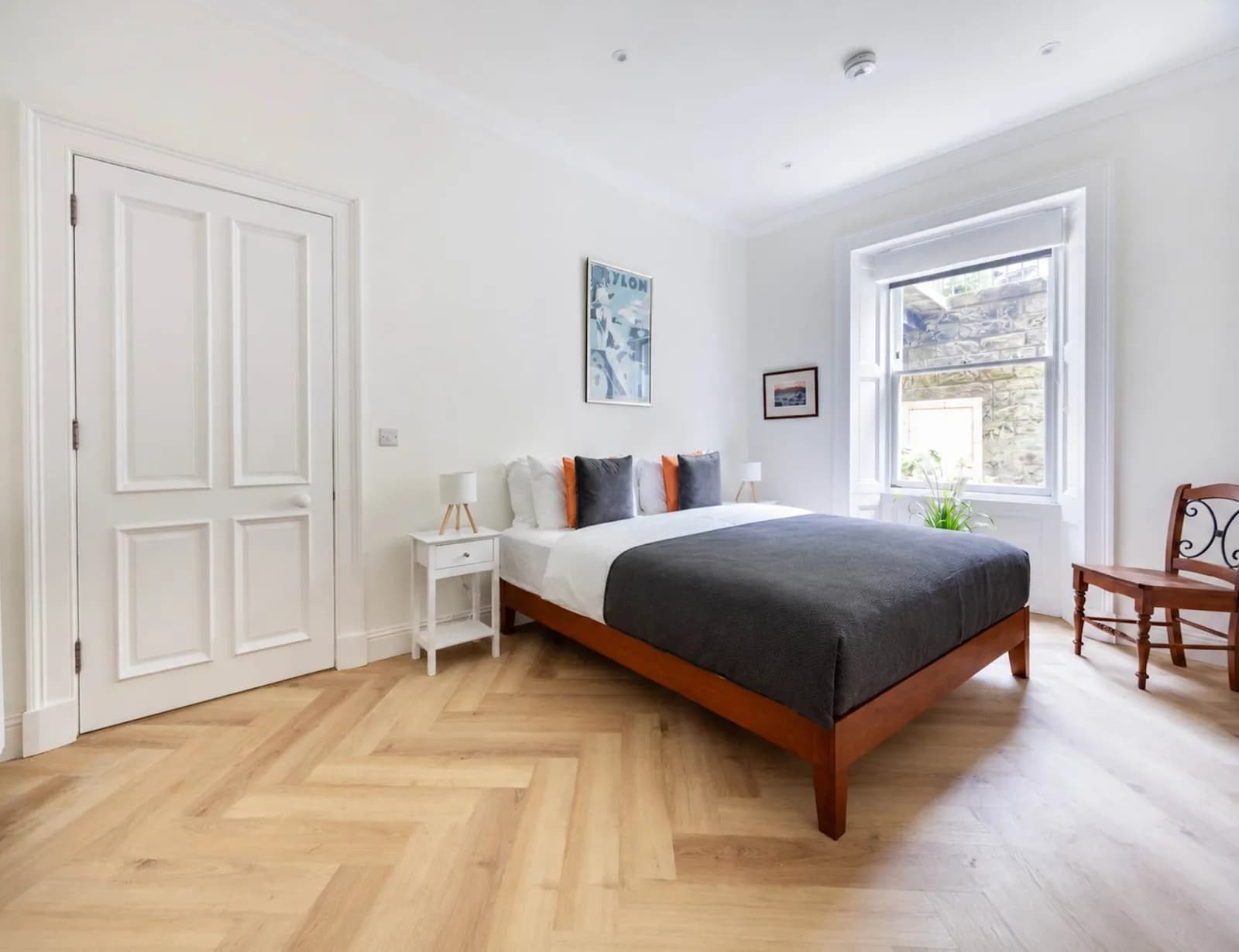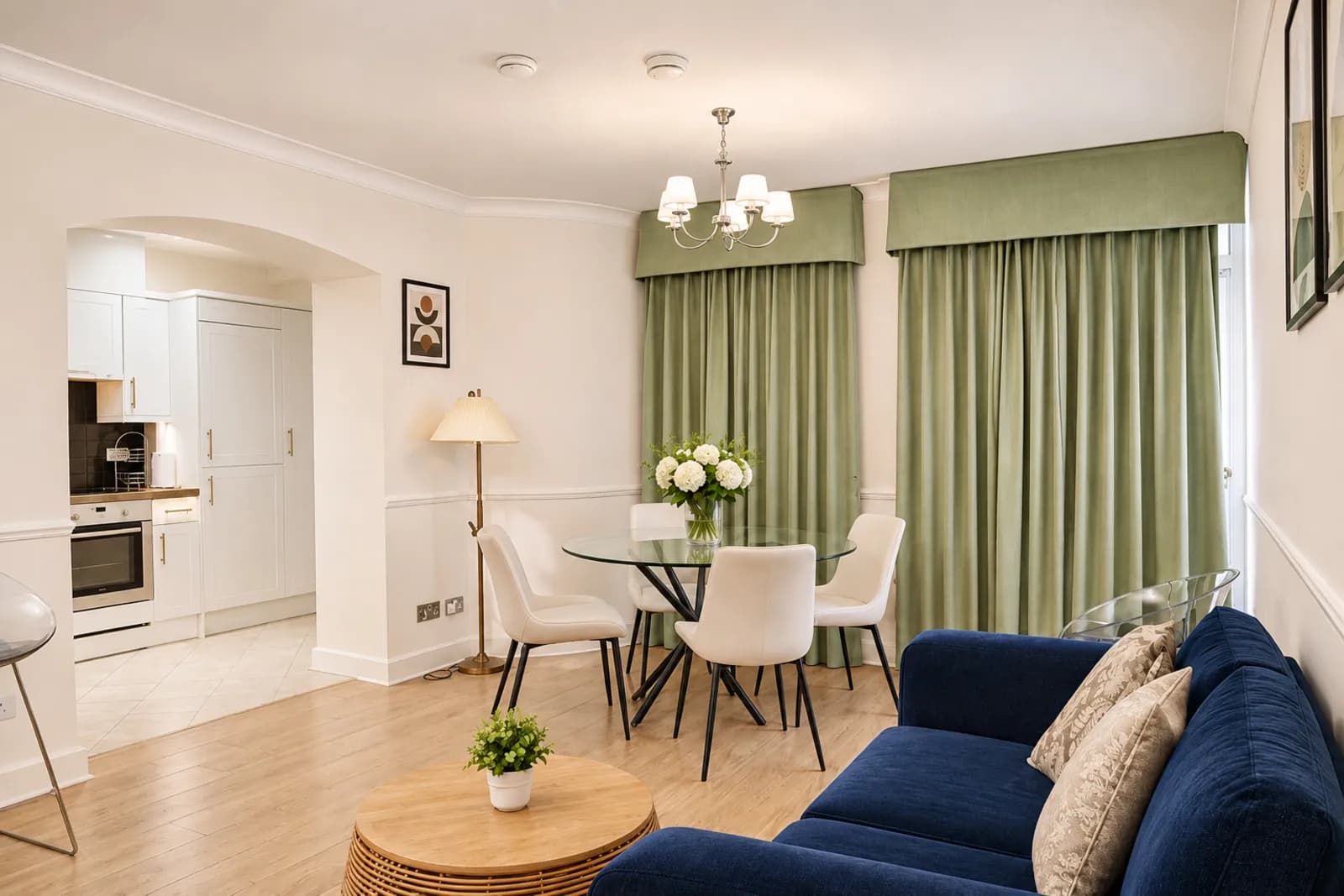
Owners of second homes in Edinburgh are due to receive revised Council Tax bills in December. From 1 January 2027, the City of Edinburgh Council plans to charge a 300% premium on second homes, up from 100% now. The premium is added on top of the standard charge, so owners will pay four times the standard Council Tax for the property's band instead of twice.
This is a decision of the council, made at a meeting on 27 August 2026 under powers the Scottish Government gave councils in April 2026. It is not a fixed national rate, and the council has changed course before: a rise to 300% planned for April 2026 was suspended. Owners should check the council's second homes page for the latest position. The council says the aim is to bring more homes back into use during the city's housing emergency.
Who counts as a second home owner?
The council treats a property as a second home if it is furnished, lived in for at least 25 days in a 12-month period, and is not anyone's sole or main residence. A furnished flat kept for weekends, family visits or work trips will usually fall into this category.
A property lived in for fewer than 25 days a year is treated as empty instead. That does not automatically make it cheaper, because empty homes have their own rules, including a long-term empty premium.
Is anyone exempt?
There is no blanket exemption, but not every second home pays the premium. The Scottish Government's guidance to councils (Finance Circular 6/2026, section 8) sets out cases where it should not apply or may be reduced, and Edinburgh adopted that guidance in April 2026. Most of these are decided case by case, so owners need to apply:
Purpose-built holiday homes and job-related homes keep a 50% discount, so no premium applies.
Annexes used by family members as part of the main home should not normally be charged a premium.
Armed forces personnel away because of deployment or posting, and NHS and essential healthcare staff living elsewhere for work, should not normally pay it.
Councils can also use their discretion in cases of demonstrable hardship.
Owners who think one of these applies, or who believe their property is not a second home, can contact the council at ctaxsecondhomes@edinburgh.gov.uk.
Four options before 1 January
There is no legal loophole that removes the premium while the property stays a furnished, occasionally used second home. What changes the bill is a genuine change in how the property is used.
1. Move in. If the property genuinely becomes your main home, it is no longer a second home. The council will ask for the date you started living there and the date you left your previous main residence. Giving false information here is Council Tax fraud.
2. Let it to long-term tenants. A property let to tenants as their home is not a second home. Tell the council the tenant's name, the start date of the tenancy, and when and how the property was advertised. Landlords need to be registered with the council and follow the rules for private residential tenancies.
3. Sell it. Selling ends your Council Tax liability from the date of sale. Buyers who already own a home usually pay the Additional Dwelling Supplement, currently 8% of the purchase price, which can affect the sale.
4. Run it as a licensed short-term let. A self-catering property that is available to let for at least 140 nights and actually let for at least 70 nights in a financial year can move from Council Tax to business rates. The local assessor decides, based on evidence. This route has conditions that many owners miss:
You need a short-term let licence from the council before taking any bookings.
The whole city has been a short-term let control area since 5 September 2022, so a property that is not your home usually needs planning permission. The council's guidance says permission for a flat reached by a shared stair is "very unlikely".
Reaching 70 let nights depends on location, pricing and the time of year.
For a main-door flat or a house that can meet these conditions, letting can turn a growing tax bill into income. For a tenement flat on a shared stair, long-term letting or selling is usually the more realistic choice.
"Look at the property, not just the bill"
"Many of the owners we speak to are deciding in a hurry because of the January date. The right answer depends on the property itself: whether it has its own front door, whether it can get a licence and planning permission, and how many nights it could realistically let. We would rather tell an owner early that short-term letting will not work for their flat than set them up to fail," says Johan Hajji, co-founder of EdinBnB.
EdinBnB, an Edinburgh short-term let management company, has published a full guide to Edinburgh's second home council tax, including the exceptions and the business rates test. Owners who want to compare the cost of keeping a second home with what it could earn as a licensed holiday let can request a free rental estimate.
This article is general information, not tax or legal advice. Check your own position with the City of Edinburgh Council or a qualified adviser.